
©1993-2025 McCraken Lawns | Powered by GMR
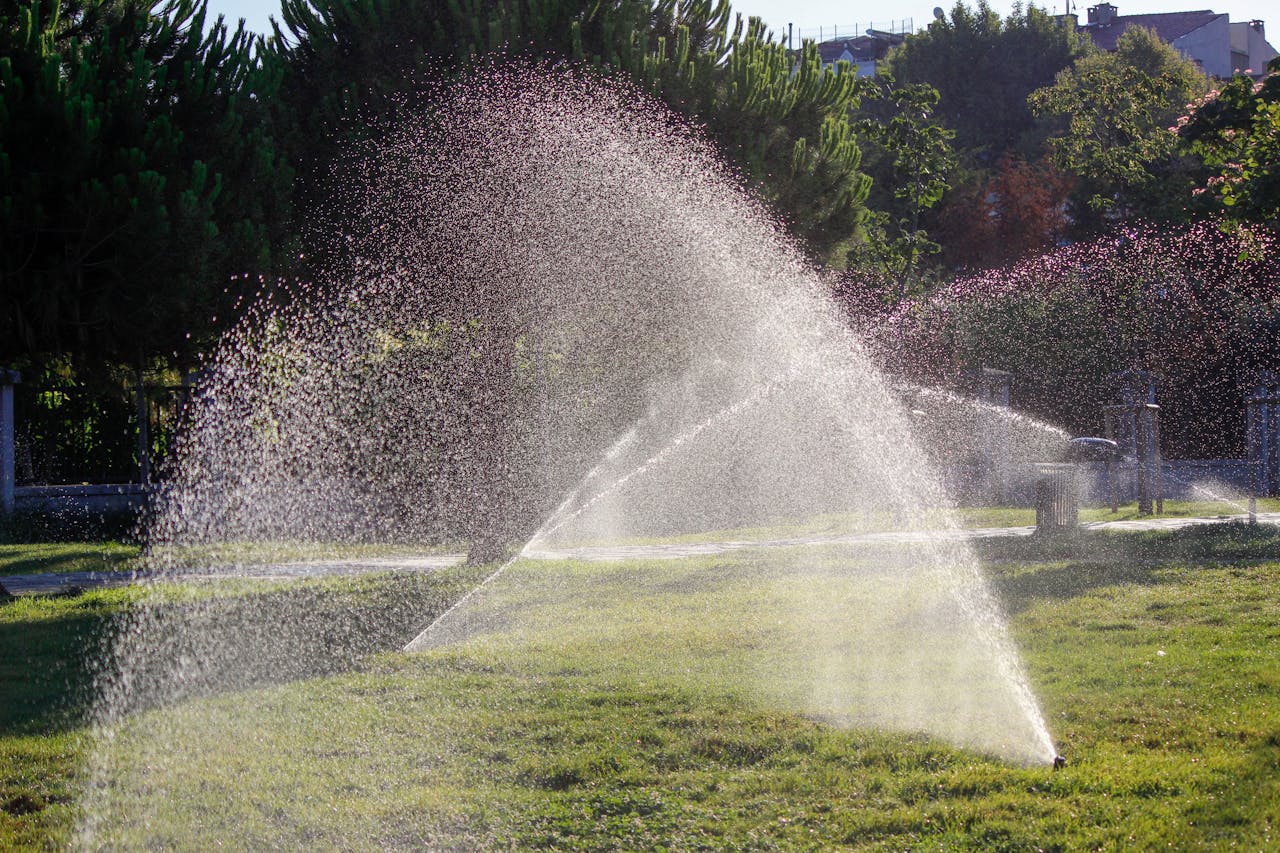
Winter might bring a break from mowing and daily watering routines, but it doesn’t mean your irrigation system gets to hibernate. In places like Tuscaloosa, Alabama, winter weather can still cause damage underneath the surface. Even though temperatures don’t always drop extremely low, occasional freezing and moisture shifts can move soil and put stress on buried lines. That’s when underground leaks start showing up, wasting water quietly and setting the stage for costly repairs when spring comes back around.
These issues don’t always leave clear signs. Dormant grass and bare flower beds can hide trouble. But if you know what to watch for, you can spot leaks before they get out of hand. Catching problems early helps prevent water waste, keeps lawns from becoming muddy messes, and protects the long-term performance of your irrigation system.
Cold weather tends to hide the clues that leaks leave behind. But just because you’re watering less doesn’t mean leaks stop. In fact, fewer watering cycles can make signs harder to notice since water isn’t running as regularly to give away the leak.
Here are a few things you might see:
- Wet spots on the lawn that don’t match the weather
- Patches of grass that stay green while the rest turns brown or dormant
- Standing water near sprinkler heads or around valves
- Soft or spongy areas underfoot in zones that should be drier
- A higher-than-usual winter water bill
Even during the off-season, some systems run every couple of weeks to keep roots from drying out. If a pipe cracks or a joint loosens, it might leak each time the system runs — and that adds up quickly.
Picture walking in your yard and coming across a soft area by the edge of your flower bed. It hasn’t rained in days, but the ground feels soggy. That could easily be a slow leak making itself known. A leak like that doesn’t just waste water — it can also harm nearby plants and lead to rot, erosion, or mold.
If anything seems out of place, take notice. These are signs your system may be losing water underground.
Once you suspect a leak, it’s time to check more closely. A walk-through of your system can be simple and effective. Start by turning on each zone of your irrigation system manually.
Here’s what to look for:
1. Walk through each area while the system is running. Look for bubbling or puddles that form unusually fast.
2. Watch sprinkler heads for signs of damage like cracking, sputtering, or ones that don’t rise or lower properly.
3. Inspect control valves and connectors between zones. Look for steady dripping or visible breaks.
4. Shut off the water inside your home and check the meter. If it’s still spinning, water might be escaping somewhere.
5. Try adding a few drops of food coloring into standing puddles or at suspected leak spots. Watch if the dye spreads underground — that could confirm slow movement through a leak.
These steps don’t require heavy digging. They rely on good observation and help confirm if something isn’t right below the surface. If you spot any signs that seem unusual, it’s time to get a professional involved.
Even though Tuscaloosa doesn’t get harsh winters, the changes in temperature can create problems for irrigation systems. The soil expands and contracts as it freezes and thaws. That might not seem like a big deal on the surface, but underground it can tug on pipes and fittings, causing cracks or putting stress on aging components.
Frozen water inside the system is another issue. If water gets trapped in a pipe or valve and temperatures dip low enough, that water can freeze and expand, creating pressure until something gives. A pipe that cracks during winter may not show full damage until it’s back in use during spring.
Extra moisture in winter soil can also be a problem. If heavy rain or poor drainage leaves water sitting over parts of your system, the combination of soggy soil and cold can press down hard on the lines. It’s especially common near downspouts or in shaded garden beds where groundwater doesn’t dry quickly.
To help prevent these issues:
- Adjust the controller or timer to match winter watering needs
- Shut off any winter valves if they’re built into your system
- Wrap exposed pipes or parts with insulation where possible
- Use mulch around shallow piping areas to protect them
- Make sure low spots in your yard don’t hold standing water all season
A little attention during colder months can go a long way toward preserving your system’s health.
Sometimes the signs of a leak are small. And when your system is mostly underground, knowing where to check isn’t always easy. That’s why calling in a professional makes sense. Technicians with experience in local soil and weather can find problems before they turn into major breakdowns.
Professionals also have access to tools that go beyond what a homeowner can do. Equipment like pressure gauges and acoustic sensors can detect precise leak locations without tearing up the yard. And with someone who knows the layout of irrigation zones and different pipe types, repairs can be done quickly and correctly the first time.
Here’s what having a pro on your side brings:
- Deeper inspections with advanced tools
- Repair solutions tailored to your property and usage habits
- Advice on how to strengthen system performance for all seasons
- Fewer misdiagnosed issues that waste time and money
In Tuscaloosa, where winter weather is mild but unpredictable, having expert support for your irrigation system makes dealing with cold-related problems much easier.
Your yard may be quiet in the winter, but leaks can still be working in the background. Soil shifts, cold snaps, and root growth can create small problems that grow into expensive repairs once the system turns on full-time in spring.
Look for the signs. Trust your instincts if something feels different in the yard. Soggy spots, extra-green patches, or sudden jumps in your water usage all point to potential underground issues.
If you’re unsure or just don’t want to take a chance, calling in help is the smartest move. A licensed irrigation team can quickly spot problems, make repairs, and help keep things running through all seasons. The less time you spend guessing, the more confident you can be that your lawn will come out of winter looking just as good as it did going in.
Keeping your irrigation system healthy in winter is all about catching the small stuff early. With the right checks and quick action, you can avoid surprise damage and step into spring with a yard that’s ready to thrive.
To ensure your yard stays healthy and protected from unexpected cold-weather issues, trust McCraken Lawns for seasonal care that works. Our local team is here to help spot problems early and keep things running smoothly. Learn how our expert irrigation services in Tuscaloosa can help you avoid leaks and keep your landscape in great shape all year long.