
©1993-2025 McCraken Lawns | Powered by GMR
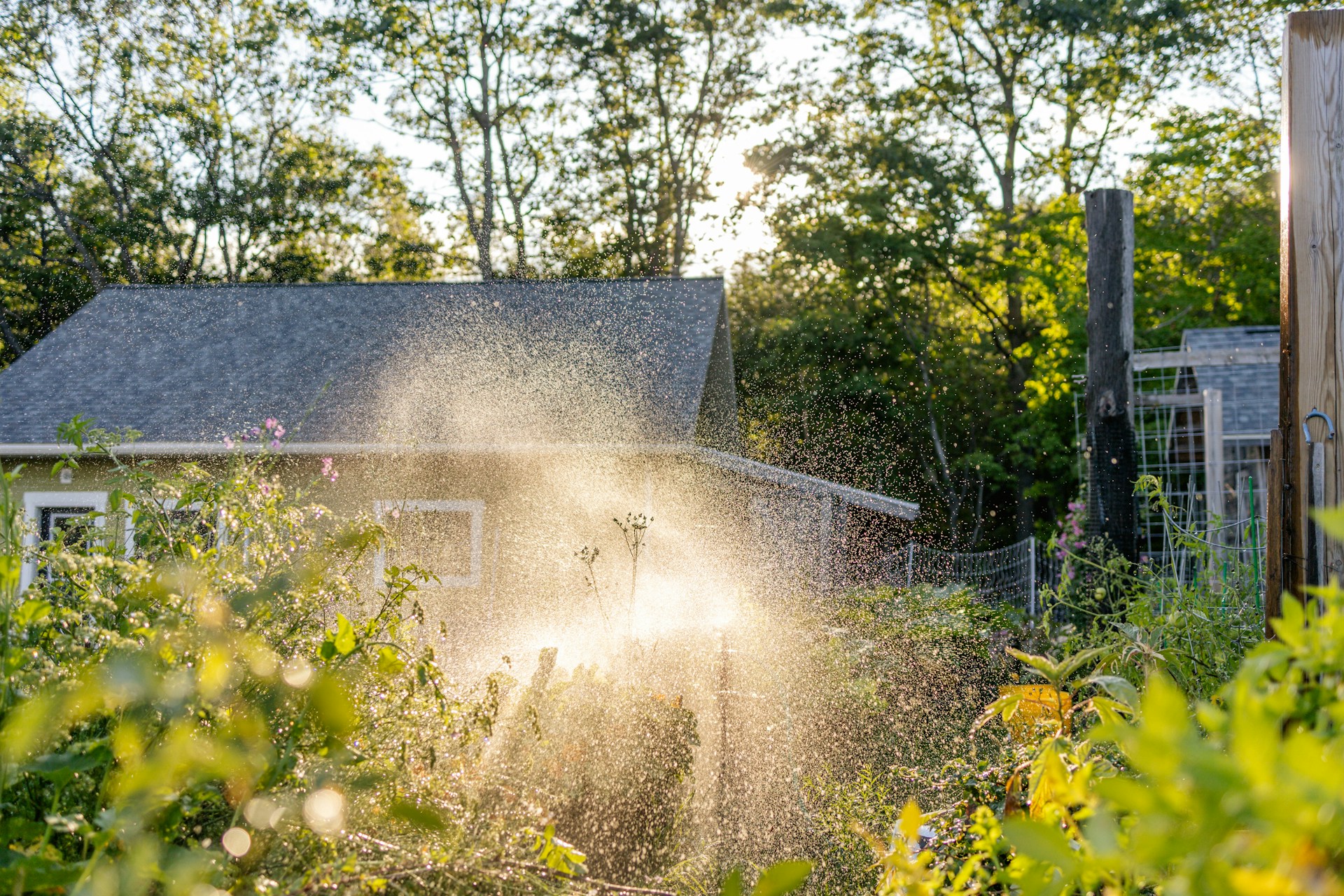
A working irrigation system keeps your yard alive, especially during tricky weather. In a place like Tuscaloosa where winters can bring steady rain, it's even more important that your system runs the way it should. These systems aren’t just about watering plants. They help protect your soil, support healthy growth, and save water at the same time. But like anything that runs on wiring and controls, things can go wrong.
One of the most common issues we see involves electric valves. These are the gatekeepers of your irrigation system. They turn on and off to direct water to specific zones. If just one stops working, it can leave a section of your yard either soaked or starving for water. Learning how to catch issues early and what to do when they pop up can save a lot of frustration.
Before you can fix an electric valve, you need to know the signs that something isn’t right. Most valve issues don’t start all at once. They usually show up gradually.
Here are some common problems to look out for:
- One part of the yard looks too wet or too dry
- Sprinklers won’t turn on or off like they should
- Water keeps leaking from sprinklers, even when the system is off
- You hear buzzing or clicking sounds near the valve box
- The controller seems fine but the system won’t start
These signs suggest problems like a blocked valve, a stuck or broken solenoid, faulty wiring, or a worn-out diaphragm. When the front lawn stays soaked and the back stays dry, there’s a good chance something in the valve isn’t working correctly. It’s easy to ignore issues when the rest of the yard looks okay, but over time, small problems can turn into big ones.
Paying attention to how your yard reacts after watering cycles can help you catch trouble early.
If your system isn’t running as expected, following a step-by-step process can help narrow things down. Here’s a simple checklist to guide you through a basic electric valve inspection:
Start with the easy stuff. Make sure the controller is working and actually sending power. Look at wire connections going to the valve. Loose or corroded wires can stop the valve from opening or closing.
The solenoid takes the electrical signal from the controller and activates the valve. If it's damaged or stuck, the valve won’t move. Unscrew it and see if the plunger moves freely. If not, it may need to be cleaned or replaced.
If power and wiring look fine, turn everything off and open the valve itself. Dirt, debris, and small rocks can block internal parts. Clean everything out and check for cracks, worn parts, or anything that doesn’t look right.
Many valves have a manual switch that lets you open and close them by hand. If the manual opening works but the electric one doesn’t, the issue is likely with wiring or the solenoid. Testing it this way can help narrow down where the fault lies.
Working step-by-step helps avoid replacing parts that still work. It gives you a better chance of fixing the main issue without spending extra time or money.
The best way to deal with electric valve problems is to stop them before they even start. Simple inspections and care can go a long way, especially when the Alabama weather shifts between cool and damp.
Here are a few habits to help you stay ahead of valve trouble:
- Flush the system at least once each season to get rid of blockages
- Look over valve wiring for corrosion, loose ends, or signs of chewing from bugs and small animals
- Trim away overgrown bushes or roots near the valve box that may affect connections
- Use the manual switch every so often to keep the moving parts from locking up
- Make sure your control box is sealed and protected during rain to prevent electrical faults
You don't need to wait until spring or summer to do maintenance. In Tuscaloosa, watering needs may drop in winter, but that doesn’t mean the system is off completely. Cold temperatures and moisture can still lead to problems. A quick monthly check, even during the rainier months, can help you spot issues early.
Some valve issues are deeper than they look. If you’ve gone through the steps and the problem isn’t clear, bringing in professional help is the next smart move. Many systems have underground valves or wiring set up in tricky layouts that are tough to trace without special tools.
You might need to call in help if:
- A zone isn’t working even after you’ve tested the valve and wiring
- Wires are cut, rusted, or lost inside the controller case
- Water is leaking beneath the surface and you can’t tell exactly where it's coming from
- The controller is signaling zones, but nothing happens
In cases like these, guessing can do more harm than good. Digging in the wrong spot or changing parts blindly might cause more system damage or more water issues. Having our team come inspect things makes sure everything gets put back together the right way. It saves you time, effort, and frustration.
A strong irrigation system works in the background to keep your yard looking its best. At the core of it are the electric valves that direct water whenever and wherever needed. These quiet components need a little attention now and then, especially during Tuscaloosa’s wet winters when hidden problems can build up under the surface.
Taking time to spot issues early, troubleshooting in a steady and careful way, and keeping up with maintenance can keep your system delivering water where it’s needed without waste. And when problems go beyond a simple fix, our team is here to take the guesswork out of the process so your lawn stays green and your system keeps working as it should.
Maintaining a healthy irrigation system ensures your lawn stays lush and green throughout the seasons, especially during Tuscaloosa’s varying weather. If you're ready to keep things running smoothly year-round, explore our expert irrigation services with McCraken Lawns. From tracking down stubborn valve issues to setting up easy seasonal maintenance, we're here to help your yard stay in top shape.