
©1993-2025 McCraken Lawns | Powered by GMR
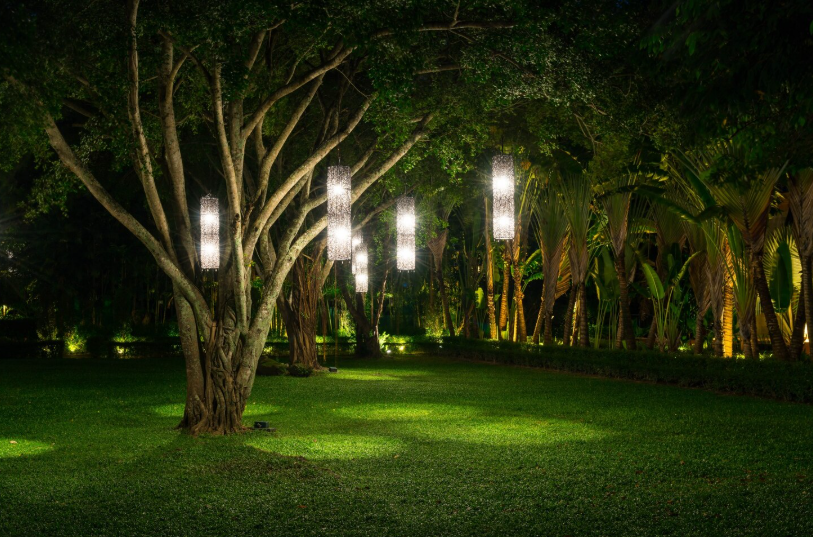
When rainstorms hit Tuscaloosa, your landscape lighting can take a hit if it's not properly maintained. Damp conditions, water pooling, and soft ground can do more than just make your lawn soggy. They can affect the look and function of your outdoor lights. Whether you're lighting up a driveway, walkway, or backyard, all that exposure to moisture can cause corrosion, short circuits, or dimming. And if the lights go out altogether, it's not just inconvenient; it can be unsafe.
Keeping outdoor lighting stable during wet weather takes a little extra attention. You don't need a full overhaul to stay ahead of damage, just good habits and regular checks. With the right maintenance strategy, you can protect your fixtures and wiring so they keep doing their job, lighting your yard, keeping you safe, and showing off your space through any season.
Regular inspections are your first line of defense when wet weather rolls in. Even if everything looks fine on the surface, problems can build up out of sight. Water exposure, soil movement, and unstable power can all lead to damage that may not be obvious until something stops working.
Here's a simple checklist to follow:
- Check for signs of water inside the fixtures. Look for condensation or fogged lenses.
- Make sure all seals around bulbs and housings are secure and unbroken.
- Gently tug on wiring connections to ensure nothing is loose from soil movement, wind, or wildlife.
- Examine the condition of the fixtures. Look for rust, cracks, or any leaning that may signal damage.
- Turn on the system and check for flickering, uneven lighting, or any fixtures that don't power on.
A few minutes every week, especially after a storm, can catch small issues before they turn into bigger ones. If one light keeps filling with water, for instance, the area might need better drainage. Spotting that early can save you from replacing an entire fixture later.
Customize your inspection routine based on fixture location. Lights near driveways or garden beds tend to wear out faster. If wiring runs close to bushes or tree roots, keep those areas trimmed to avoid damage from growing vegetation.
Once you've got a solid inspection habit down, the next step is prevention. Wet soil and standing water cause the most trouble, but even humidity or sprinklers can pose a risk. A few small upgrades can keep moisture from getting into your lighting system.
Here are some ways to protect your fixtures:
- Install weatherproof covers over exposed bulbs or low-placed units. These keep water off during rain or sprinkling.
- Use gel-filled connectors and waterproof wiring to keep water out of electrical joints.
- Raise ground-level lights just an inch or two above the soil line in areas prone to flooding.
- Reseal any weak spots where the fixture meets the ground or base. Replace cracked rubber gaskets or use a sealant if needed.
- Adjust sprinkler heads or gutter extensions that direct water onto any lighting setup.
Outdoor lights are made to handle rain, but that doesn't make them immune to damage. Over time, seals break down and materials wear out. If a fixture sits in a soggy bed of mud all winter, it'll lose brightness faster and could give out early.
Protecting lights from moisture isn't just about avoiding dark spots in your yard. It helps you avoid bigger issues like tripping breakers or electrical shorts caused by water exposure. This is especially helpful during the colder, wetter months in Tuscaloosa.
Keeping your lighting system clean is just as important as sealing it off from water. Rain kicks up a lot of dirt and debris, which can get caked onto fixtures or settle in gaps meant to help water drain away. That dirt can block light, damage materials, and lead to long-term buildup that's harder to deal with later.
Start by wiping down your lighting equipment. Use a dry cloth to remove buildup on the outer housing and lens. Avoid using water, even clean water, if the fixture is already damp or has small cracks. Moisture can sneak in and cause more harm. Stick to dry cloths, especially during dry spells when you can catch and clean dried-on grime.
Clear away any leaves, mulch, or branches piled up around the base of lights. Nearby plants can trap moisture and shade the fixture, keeping the area wetter for longer. Trim back greenery and rake debris regularly.
Set reminders for a maintenance check every few months. Professional services can test for damaged wiring, check all system functions, and handle any hidden damage. If your system was installed a while ago or has gone through a few wet seasons, regular care will go a long way.
These small steps help avoid costlier problems. When your system stays clean and dry, it lights your space more evenly and lasts much longer, even during Tuscaloosa's rainy winters.
Regular upkeep is important, but if you want your outdoor lights to last through seasons of rain, you'll need to set up some long-term protection. Adding a few smart features now can reduce repairs and keep the system performing every year.
Start with the ground. If you notice puddles building near certain fixtures, add gravel for drainage or redirect runoff using shallow trenches or drain pipes. Getting water to flow away from the base of lights keeps things dry and prevents sinking or rust.
Choose fixtures made from weather-tough materials. Stainless steel or high-quality plastics can outlast untreated metal or thin coatings that wear down fast in damp conditions.
Use silicone caulk to seal places that tend to leak, like seams between light parts or wiring access points. Even if the fixture came sealed, extra reinforcement helps over time.
Meanwhile, plan to touch base with your landscaping provider during seasonal transitions. Get things checked before long wet spells roll in, especially in fall and early winter. That way, you can catch problems early or replace old materials before trouble hits.
We've seen this work well here in Tuscaloosa. One homeowner had pathway lights that kept dipping into puddles after heavy rains. By raising the fixtures and updating the wiring with waterproof connectors, they've had zero issues since, even after several storms.
Good planning makes all the difference when it comes to outdoor lighting. With the right materials and a few smart changes, your system stays strong and your yard keeps glowing.
Any time water is in play, safety should come first. Lighting systems run on electricity, and even if designed for outdoor use, they still carry risk when paired with damp conditions. Keep safety a priority with a few key steps.
If heavy rain or flooding is coming your way, power down your lighting system. Shutting off the current helps avoid short circuits or breaker trips caused by water getting into the wiring.
Make sure your outdoor circuits use ground fault circuit interrupters, or GFCI outlets. These outlets detect moisture or irregular electrical flow and shut things off before a problem arises. They're a simple upgrade and can be a dependable layer of protection in wet areas.
Last, keep an eye on the warning signs of electrical problems:
- Flickering lights without a clear reason
- A burnt smell near lights or junction points
- Repeat circuit breaker trips when lights are on
If any of these show up, turn off the power and call in a professional service. Things might look fine on the outside, but it only takes one unseen fault to create a serious issue.
Even if nothing seems wrong, a yearly inspection of the system's electrical components is worth it. That check-up helps make sure your lighting setup continues to follow current safety standards.
Staying on top of safety means fewer surprises and more peace of mind when the skies turn gray.
Wet weather doesn't have to mean dull or damaged outdoor lights. With the right habits, checking connections, keeping fixtures clean, and sealing up open spots, your landscape lighting can keep running well through any season.
Sturdy materials, proper placement, and routine inspections all play a part in keeping things glowing and safe during Tuscaloosa's rainy months. Knowing when to call in professional help makes sure systems get the care they need, especially when it comes to electrical parts or heavily soaked areas. Lighting that works the way it should brings more than beauty to a yard. It adds security, guides your path, and lets you enjoy your home's outdoor space no matter the weather.
To keep your lighting system shining bright and secure through Tuscaloosa’s rainy seasons, trust our landscape lighting services at McCraken Lawns. Ensure your outdoor space not only stands out but also stays safe with our expert care. Let us illuminate your home with reliable and professional service that supports both beauty and functionality.