
©1993-2025 McCraken Lawns | Powered by GMR
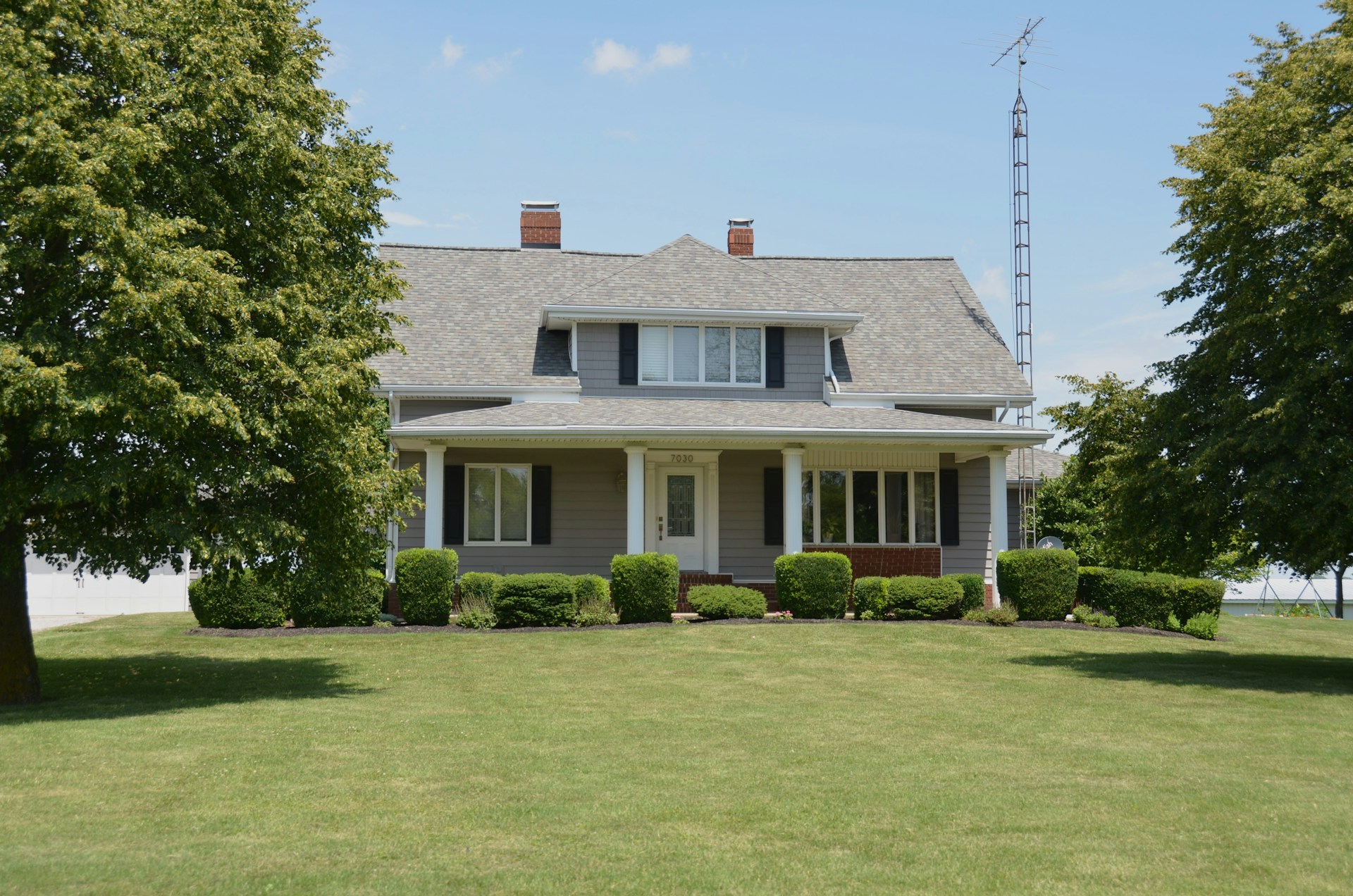
Right when the days start to feel a little shorter and the morning air cools off in Tuscaloosa, Alabama, many people ease up on yard work. After a long, hot summer, it's tempting to let things coast until winter. But fall is actually one of the most important times for residential lawn care. What we choose to do (or skip) now can shape the way our grass looks well into next spring.
We see some of the same mistakes show up this time each year: delayed cleanup, missed treatments, wrong mowing habits. While they might not seem like a big deal at first, they can lead to patchy grass, weed problems, thinning turf, or worse. So before we let the season slip by, it helps to know what to avoid.
When the breeze turns cool in late August, many think they have until the leaves drop to worry about lawn care. But in Alabama, that mindset can be a problem. The soil stays warm long after the air cools, which means the grass is still growing underground even if you can’t see much going on.
That early fall window is perfect for helping roots get strong before winter. If we wait too long, we miss that opportunity. The cool nights and mild days are ideal for treatments that need time to settle, like seeding, fertilizing, or aerating.
The longer we put those steps off, the less time they have to make a real difference.
After a summer of foot traffic, dry weeks, and mower blades, soil gets packed down more than we think. That tight ground prevents water, air, and nutrients from getting down where the roots live. Aeration fixes that by loosening things up again. It makes space for roots to breathe and absorb all the good stuff we’re adding in fall.
A lot of people skip this step thinking the lawn looks fine. What we see on the surface doesn’t always show us how stressed the roots are underneath. If the grass got thin or stressed over the summer, overseeding helps fill in those bare spots before weeds move in.
Without these two steps, the yard might limp through winter and have a harder time bouncing back next spring.
Our fall maintenance options include aeration, overseeding, and turf evaluation, all built to help Tuscaloosa lawns recover from summer stress.
This is one that surprises people. Mowing may seem like a summer chore, but how we mow in fall matters just as much, sometimes more. Cutting the grass too low in fall weakens the plant, leaving it open to damage from cooler nights and fungal problems.
Keeping blades a little taller during this season actually helps. Taller grass can capture more sunlight, which translates to stronger roots. It also acts like a shield from wind and chilly temps that creep in later in fall. On the flip side, waiting too long to mow at all lets leaves pile up and thatch collect right at the soil line.
It’s all about balance: keeping up with mowing without going too short.
Falling leaves are pretty, but they do damage when left to collect on the lawn. In Alabama, where fall doesn’t always bring dry air, those leaves often stay damp. Wet layers block sunlight and trap moisture, which leads to mold and rot in the grass below.
When leaves stay on the ground too long, they mat down and smother the yard. If that happens week after week all season, the damage adds up. A good fall lawn routine includes cleaning up leaves regularly and keeping an eye on areas that stay wet longer after rain.
It’s not just about keeping the yard tidy; this step is one of the easiest ways to prevent big repair jobs next year.
Our residential lawn care for fall features regular leaf removal and moisture checks, keeping Tuscaloosa lawns cleaner and less prone to disease.
Fertilizing isn’t a one-size-fits-all task. What works in spring won’t help much in fall. Some property owners either skip the final treatment entirely or apply a fertilizer meant for quick top growth when that's not what the grass needs going into dormancy.
As the growing season winds down, the goal changes. Instead of fueling new blade growth, fall treatments focus on nutrients that help roots grow thicker and store energy. Using the wrong product or applying it too late can end up doing more harm than good.
When we feed the yard the right way during this window, we set it up for an easier start next season.
Fall lawn work isn't just about keeping things neat heading into winter. It’s about giving the yard what it needs under the surface, where all the recovery begins. Whether it’s controlling the mow height, feeding the soil properly, or keeping soil from packing down with every step we take, the choices we make now decide how hard spring lawn care is going to be.
Most spring lawn problems start in fall, not from what gets done, but what gets skipped. Leaving aeration, cleanup, seeding, or nutrients off the list might mean a longer, harder road back to a full and healthy yard later. Staying ahead seasonally makes the transition smoother and the results last longer.
At McCraken Lawns, we understand the effort it takes to keep your yard healthy year-round in Tuscaloosa, Alabama, especially during seasonal transitions. When you see thin spots or poor growth, or you feel unsure about fall preparation, let us simplify the process for you. Maintaining the right schedule and treatments now will save time and effort come spring. Discover how our residential lawn care can support your yard through the fall and beyond. Contact us today to get your fall lawn care on track.